
Most network marketers do not fail because they cannot explain an opportunity. They fail because they run out of people to explain it to. After the first handful of friends, relatives and old work contacts have said no, the awkward chasing starts. That is exactly why a livegood funnel setup review matters. The real question is not whether a page looks polished. It is whether it can help create a steady, permission-based flow of prospects without turning you into a full-time cold messenger.
LiveGood has attracted attention because of its low-cost membership model, recurring subscription potential and product value proposition. But joining an opportunity and building an income from it are two completely different things. A funnel can bridge that gap – if it is set up to educate, qualify and follow up with people who have already shown interest.
What a LiveGood funnel setup is meant to do
A proper LiveGood funnel is not simply a sign-up page with a big button. It is a short sales process that moves someone from curiosity to understanding, then gives them a reason to take the next step.
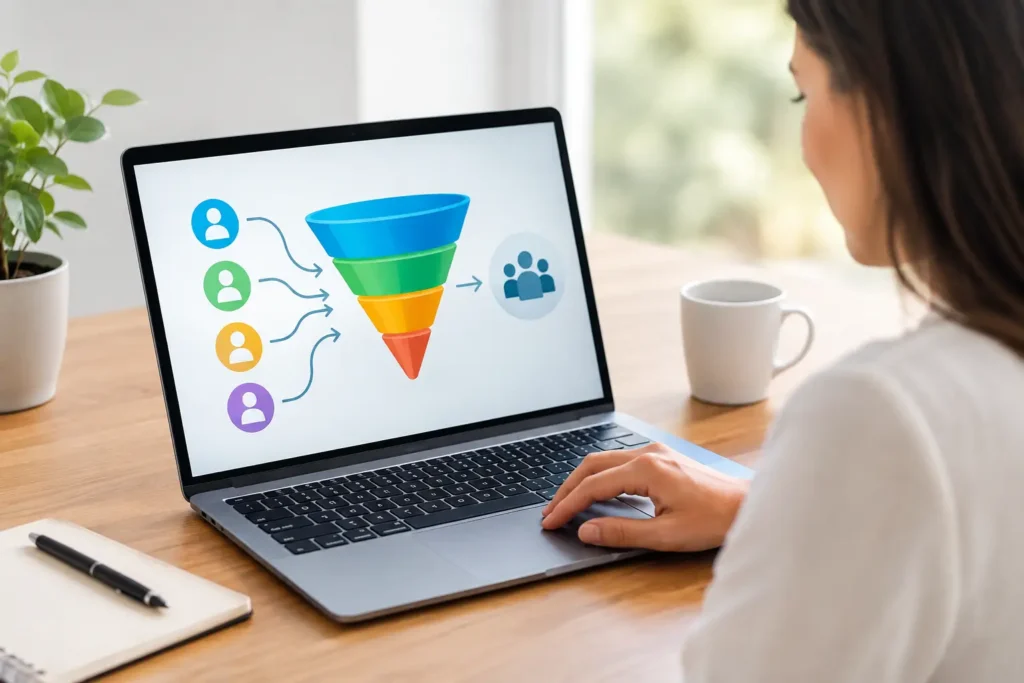
Typically, a prospect sees an advert, social post, video or recommendation that speaks to a problem they already feel. Maybe they want an extra income stream. Maybe they are tired of buying expensive supplements. Maybe they have tried network marketing before and hated pestering people they know. They arrive at a simple page, enter their details to access information, watch an educational video or presentation, and receive follow-up messages that answer the obvious questions.
Done well, the funnel does the explaining before you ever speak to the prospect. It gives people room to decide without pressure, while allowing you to focus your time on those who are engaged.
That is the attraction. Instead of manually sending the same voice note 50 times, you build an asset designed to deliver the right message repeatedly.
LiveGood funnel setup review: the genuine advantages
The strongest part of this model is that it can remove the most exhausting part of traditional MLM – constant personal prospecting. You are not forced to make a list of everyone you have ever met, invite them for coffee under false pretences, or post vague lifestyle quotes every morning hoping somebody asks what you do.
A well-built funnel gives you three useful functions. First, it captures leads rather than letting interested visitors disappear. Secondly, it presents the opportunity consistently. Your explanation does not change because you are tired, nervous or trying to reply between shifts. Thirdly, it follows up. Many people will not act after one video, but they may respond after they have had time to consider the membership, the compensation plan and whether it fits their budget.
This is especially relevant for people who want a home-based business but do not want to become aggressive salespeople. LiveGood’s subscription-led structure can be easier to discuss than high-ticket packages or complicated product inventory. There is no need to fill a spare room with stock, and recurring membership payments can create a more predictable business model than one-off sales alone.
The other potential advantage is duplication. When a new member joins, they do not need to invent their own landing page, write ten emails or become a copywriter overnight. A proven framework can shorten the learning curve considerably.
Where the hype ends and the work begins
Here is the part many funnel sellers conveniently skip: automation does not create demand out of thin air. A funnel can handle conversations at scale, but somebody still needs to bring the right people to it.
Traffic is the engine. This may come from content, paid advertising, short-form videos, referrals, communities or a system that supplies leads. If your audience is not interested in health savings, subscriptions or building an additional income, even the best funnel will struggle. Sending random clicks to a page is not a strategy.
There is also no responsible way to promise a specific income. Commissions depend on the plan, your effort, retention, customer activity, team growth, lead quality and how well you follow up. Recurring income is possible only when recurring customers and members remain active. Treat it as a business with real variables, not a lottery ticket with a landing page attached.
You also need to know what happens after an opt-in. Do you receive the lead details immediately? Is there an email sequence? Can you see who watched the presentation? Are messages compliant and clear about what is being offered? Does the system encourage prospects to make an informed decision rather than implying guaranteed results? These details matter more than flashy screenshots.
What separates a useful funnel from a digital dead end
Before paying for, copying or promoting any funnel, look at the customer journey through a prospect’s eyes. Is the first page clear about the next step, or does it make oversized claims with no explanation? Does the video answer the questions a sceptical person will actually ask? Does the follow-up sound human, or like a chain of desperate automated messages?
A strong setup should make the value proposition easy to grasp. For a potential LiveGood customer, that may mean understanding the membership savings and the products. For an aspiring affiliate, it means seeing how the compensation structure, duplication and lead-generation process fit together. Blurring those two audiences can reduce conversions because each person has a different reason for looking.
It should also be mobile-friendly. Most prospects will first see your message on a mobile phone while commuting, taking a break or scrolling in the evening. If pages load slowly, forms are clumsy or the next step is hidden, attention is gone.
Finally, check who supports you once somebody joins. A funnel can start a conversation, but mentorship helps turn new members into capable promoters. Vitality Maestros positions its approach around that combination: the opportunity, guidance and an AI-supported prospecting process. For newcomers, that support can matter far more than having access to another generic template.
Is an AI-powered prospecting system worth it?
It depends on what you expect it to do. AI can help organise leads, personalise first responses, create follow-up prompts and reduce repetitive admin. It can make a small home business feel more structured. That is valuable when you are fitting this around a job, children or other commitments.
But AI should support your judgement, not replace it. People can spot copy-and-paste enthusiasm quickly. They want straight answers about costs, products, time commitment and how the income side works. Use automation to ensure no warm lead is forgotten, then show up as a real person when someone needs clarity.
The best approach is usually a blend. Let the funnel and follow-up sequence handle education at scale. Use your own voice in occasional videos, messages and conversations so prospects know there is a genuine person behind the process. That builds more trust than pretending a bot is your business partner.
Who this setup is likely to suit
A LiveGood funnel setup is likely to suit someone who is willing to learn traffic and follow-up but refuses to build their business by badgering their personal circle. It may suit an existing network marketer who has a good opportunity but no consistent system for collecting leads. It can also work for a beginner who wants a guided route rather than trying to stitch together landing-page software, email tools and confusing automations alone.
It is less suitable for anyone looking for instant money with no learning curve. You still need to understand the offer, speak honestly about it, monitor your leads and develop basic marketing discipline. You may need to test headlines, videos or audiences before you find what resonates. That is not a flaw in the funnel. It is the reality of building something sustainable.
The verdict: focus on the system, not the shiny page
This livegood funnel setup review comes down to one point: the funnel is valuable when it creates qualified conversations and gives you a repeatable way to follow up. It is not valuable because it has countdown timers, bold income language or a clever name.
If you have been stuck in the old-school cycle of messaging friends, getting ignored and wondering why nobody is joining, a funnel-led approach is worth serious consideration. Watch the presentation, examine what the prospect experiences, ask how leads are generated and make sure you understand the costs before you pre-enrol or commit.
Choose the system that helps you speak to people who are already looking for a change, then do the simple daily work of helping them decide whether it is right for them. That is a far better foundation than chasing people who were never interested in the first place.